 All forms of energy production have both benefits and risks. At one time the burning of fossil fuels was felt to be harmless. We now know that that is not the case and that the burning of fossil fuels may actually be calamitous. Until recently, nuclear power production has been considered to be too problematic to pursue greater development. The pendulum is now swinging back in favor of nuclear power and with proper safeguards it can truly provide us with safe, clean, abundant energy. At the same time, research continues on nuclear fusion which is the energy that powers the sun. Nuclear energy will afford us enough time until we are able to eventually harness nuclear fusion which will essentially be the ultimate answer to our energy needs.
Thursday, December 10, 2009
The Solution is Within Our Grasp
All forms of energy production have both benefits and risks. At one time the burning of fossil fuels was felt to be harmless. We now know that that is not the case and that the burning of fossil fuels may actually be calamitous. Until recently, nuclear power production has been considered to be too problematic to pursue greater development. The pendulum is now swinging back in favor of nuclear power and with proper safeguards it can truly provide us with safe, clean, abundant energy. At the same time, research continues on nuclear fusion which is the energy that powers the sun. Nuclear energy will afford us enough time until we are able to eventually harness nuclear fusion which will essentially be the ultimate answer to our energy needs.
What Are the Advantages of Nuclear Power?
 It turns out that all of these problems can be solved. Better education of nuclear power plant workers will help to assure that no mistakes are made which might lead to a meltdown. At the same time, stronger nuclear containment buildings will ensure that should a meltdown occur, radiation will not escape into the environment. Although existent nuclear power plants are highly secured against terrorists, even more rigorous protection can be achieved. The disposal of radioactive nuclear waste at Yucca Mountain, Nevada over one thousand feet underground, will ensure that nuclear waste is handed in a safe and secure way.
What are the Risks of Nuclear Power?
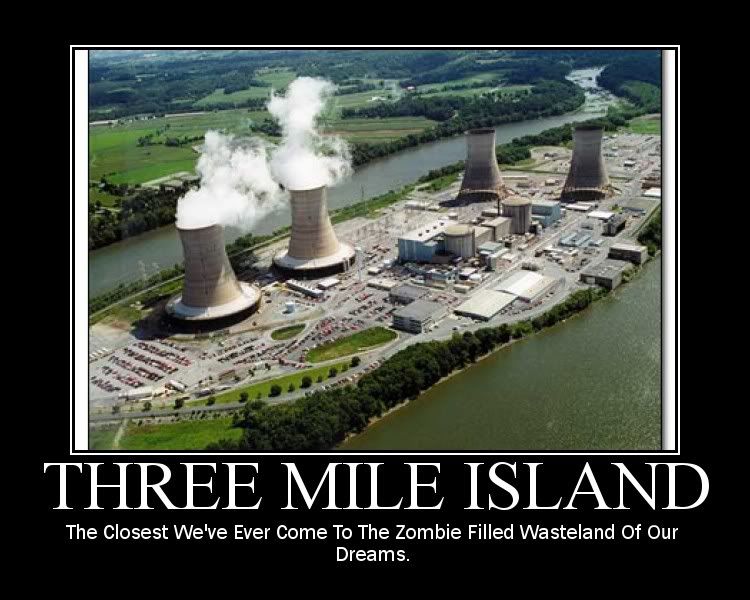
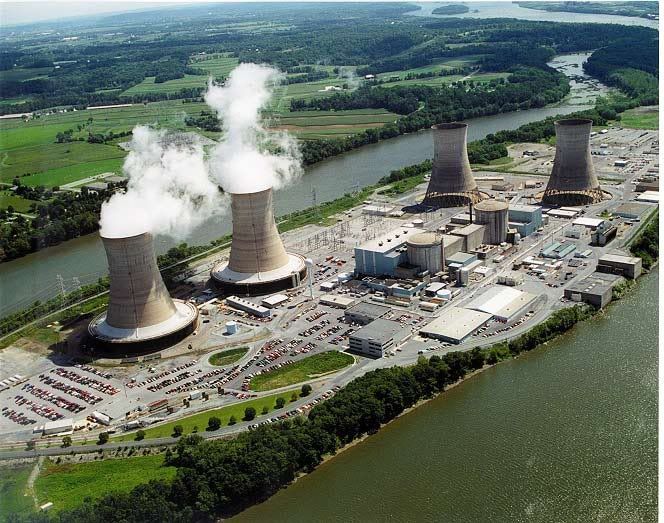
Naysayers will argue that risks of nuclear energy are too high for it to be a feasible alternative to fossil fuels. There is no doubt that there have been and still are risks associated with the production of nuclear power. In the past, nuclear power has had some noteworthy problems. In 1979, an accident occurred at the Three Mile Island Nuclear Plant in Pennsylvania. The Uranium reactor overheated, and there was a partial melt down of the reactor core. The damage was contained within the cement containment building that covers the nuclear reactor. No safety threat occurred to the public and the reactor was successfully shut down and put out of commission. The effect of the meltdown, however, brought about much public fear of nuclear energy which continues to this day.
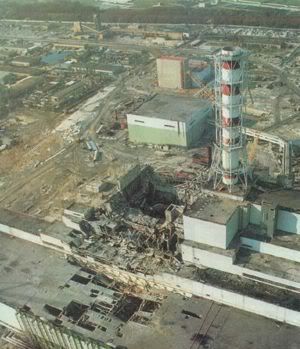
In 1986, at Chernobyl, Ukraine a nuclear power plant core melted down completely and the poorly built containment building exploded releasing dangerous radioactive nuclear waste into the environment. Although the damaged building was eventually sealed in concrete, it is estimated that over ten thousand people in the Chernobyl area died.
Since nuclear power production produces radioactive waste, there is much concern regarding its safe disposal.
In this age of terrorism, many people are concerned that terrorists will gain access to a nuclear power plant and purposely initiate a meltdown or steal dangerous nuclear waste.
In 1986, at Chernobyl, Ukraine a nuclear power plant core melted down completely and the poorly built containment building exploded releasing dangerous radioactive nuclear waste into the environment. Although the damaged building was eventually sealed in concrete, it is estimated that over ten thousand people in the Chernobyl area died.
Since nuclear power production produces radioactive waste, there is much concern regarding its safe disposal.
In this age of terrorism, many people are concerned that terrorists will gain access to a nuclear power plant and purposely initiate a meltdown or steal dangerous nuclear waste.
Will the Solution Work?

As was mentioned, nuclear power produces no carbon dioxide emissions. By converting to nuclear power, the use of coal, oil, and natural gas, which produces carbon dioxide, will no longer be necessary. These fossil fuels also produce dramatic amounts of pollution. Eliminating their use will also cleanse the atmosphere and reduce the rate of asthma and other respiratory problems. Since small amounts of Uranium fission produce incredible amounts of energy, its use will assure us plentiful energy for years to come. It has been estimated that enough Uranium exists to power the planet for the next five hundred years.
How Can We Prevent Global Warming?
 Before these dire consequences become a reality, thankfully, current technology offers a solution. The solution, in fact, is nuclear power. The chief cause of global warming is due to massive release of carbon dioxide into the atmosphere due to the use of fossil fuels. Nuclear power, which produces huge amounts of energy through the splitting of the Uranium atom, does not release any carbon dioxide into the atmosphere. The amount of energy produced by nuclear power plants would be enough to supply the total energy needs of the planet. Nuclear power energy production can be used to power electric cars, electric heat, and electricity for industry. Essentially, all machines now using fossil fuels, can be converted to use electricity.
Why is Global Warming a Problem?
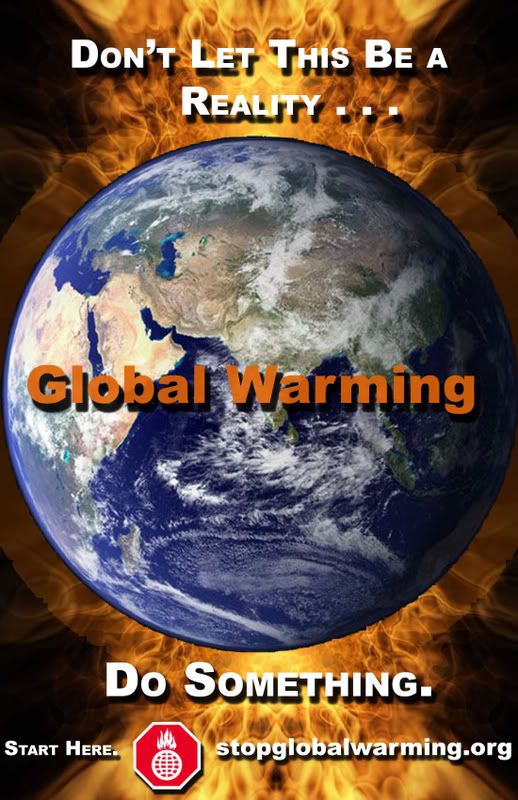 Global warming is more than just a vague scientific theory. Global warming is a problem which has the potential to affect every living thing on this planet. Should many of the predictions come true, profound negative consequences may be the result. Nuclear power will solve this problem.
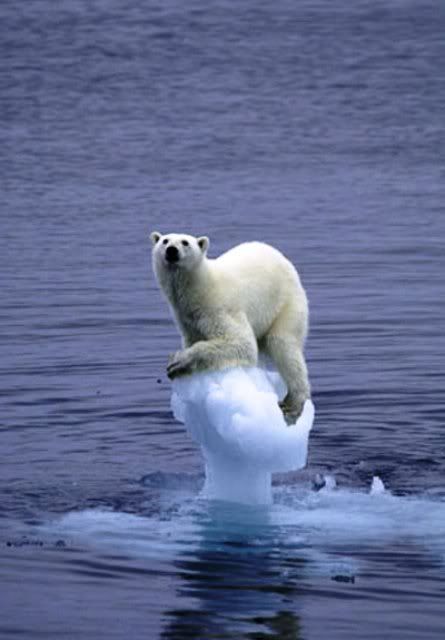
Global warming’s affects are predicted to be multifaceted. Numerous scientific studies released by the National Oceanic and Atmospheric Administration are available to support this discussion. For example, climate change as a result of global warming could potentially lead to the extinction of thousands of species of both plants and animals. Many species which have been part of our culture for centuries are already declining rapidly. What boy at one time has not played with a turtle or a frog? Due to global warming, these animals may soon be history. Due to rapid melting of polar ice caps, it is possible that over a billion people may need to relocate from where they have lived for thousands of years. Many Pacific Island states may cease to exist altogether. It is predicted that dramatic climate changes will also result from global warming. More frequent droughts, floods, and hurricanes will result. These climate changes will adversely affect agriculture such that food shortages and possible famine may be much more common. Major summer heat waves can lead to the death of thousands, as happened in Europe just a few years ago. Warmer climate may also foster increases in diseases which can effect thousand or even millions of people.
Subscribe to:
Comments (Atom)